Renji Hospital, Shanghai Jiao Tong University
上海交通大学医学院附属仁济医院 · Shanghai, China
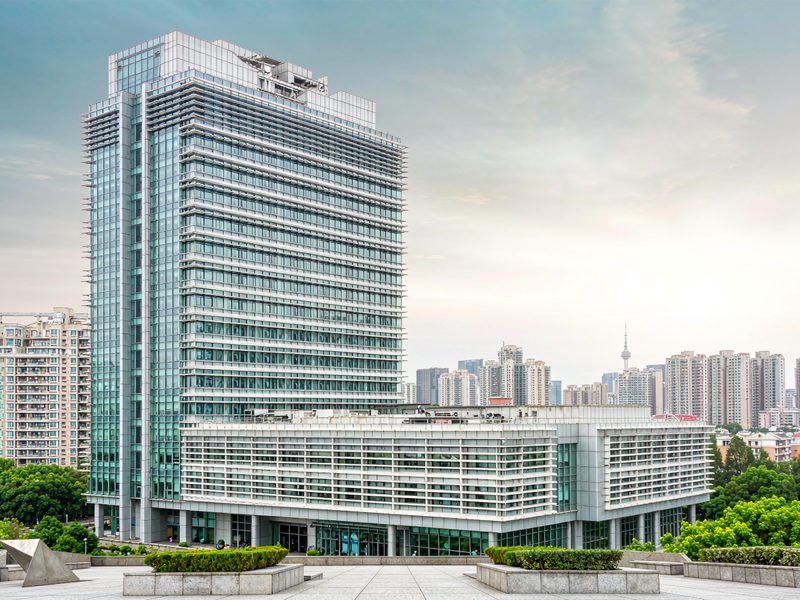
Illustrative image: AI-generated representation of a typical modern hospital in Shanghai. It is not a photograph of this hospital.
Renji Hospital, affiliated with Shanghai Jiao Tong University School of Medicine, is a large comprehensive hospital with campuses in Pudong and Huangpu, Shanghai. Rheumatology and immunology, gastroenterology, organ transplantation and anaesthesiology are among its strengths.
Hospital Gallery
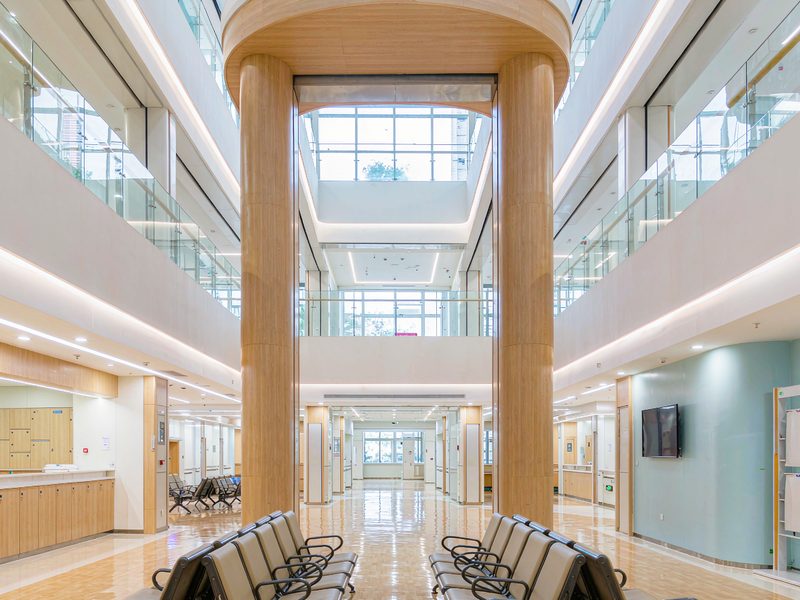
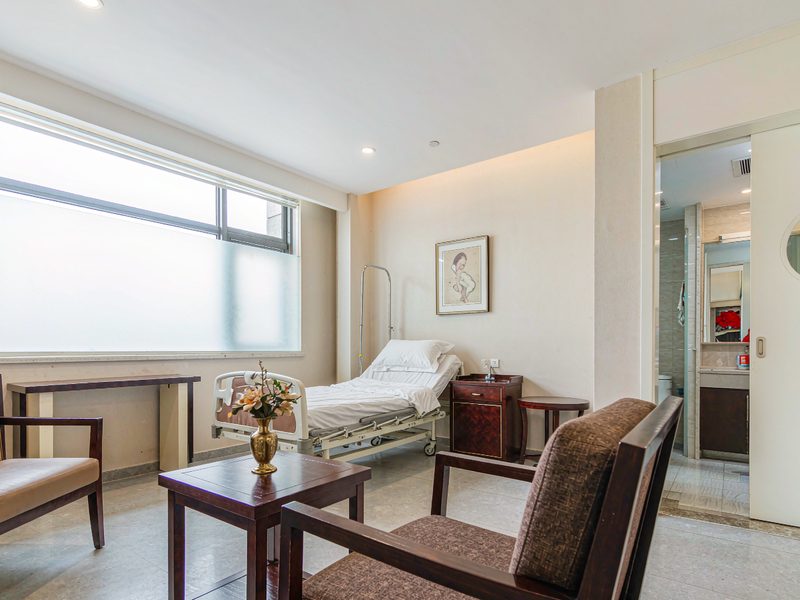
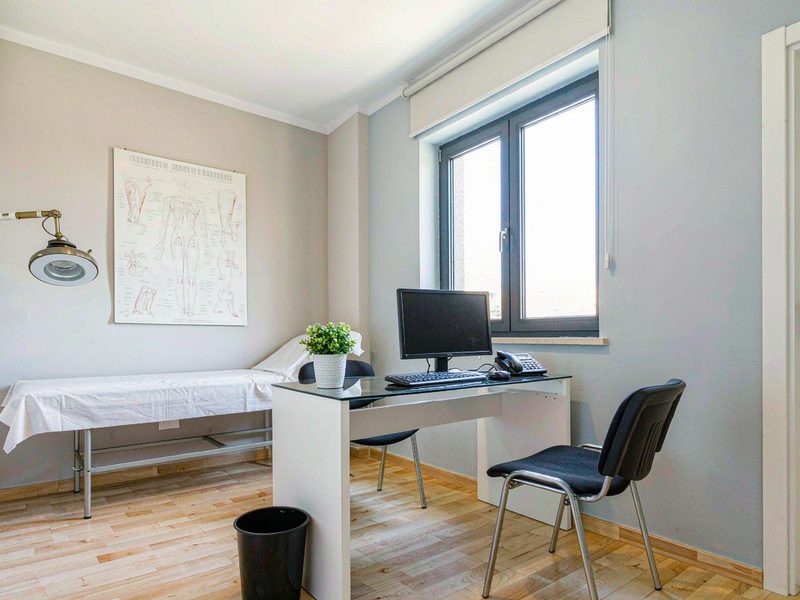
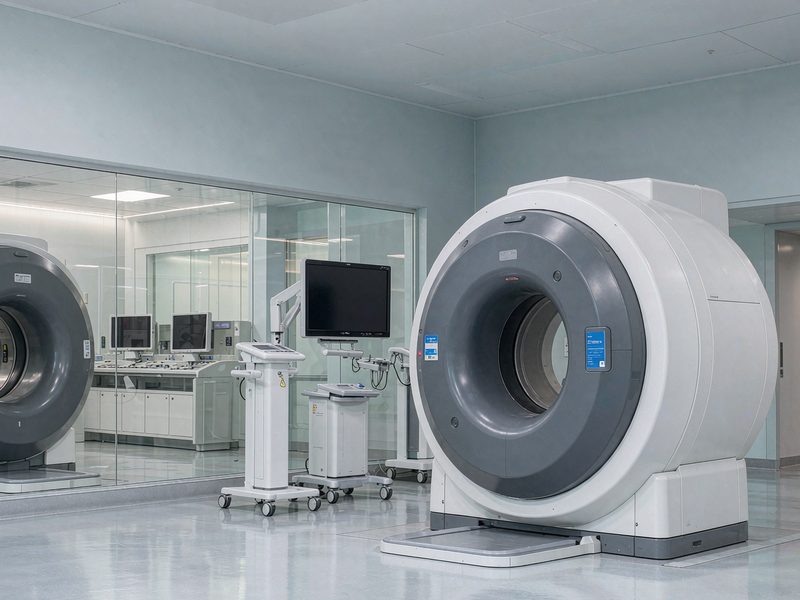
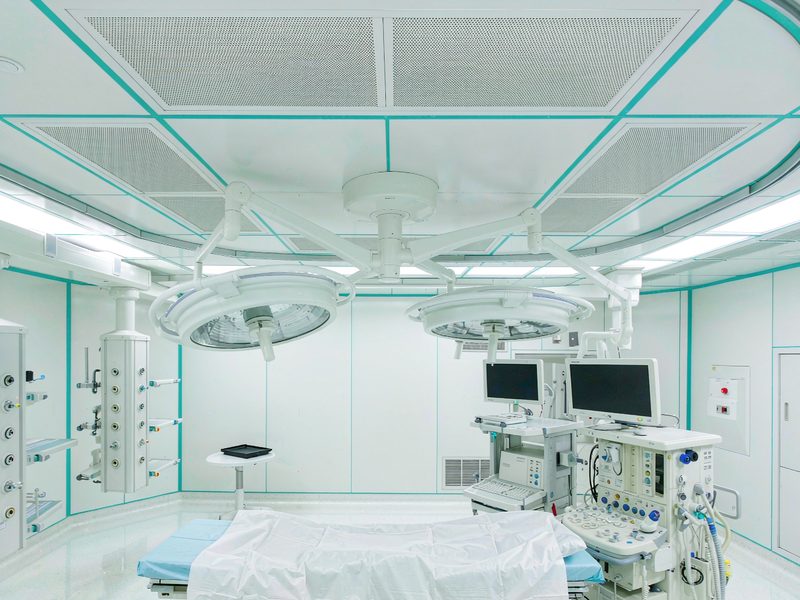
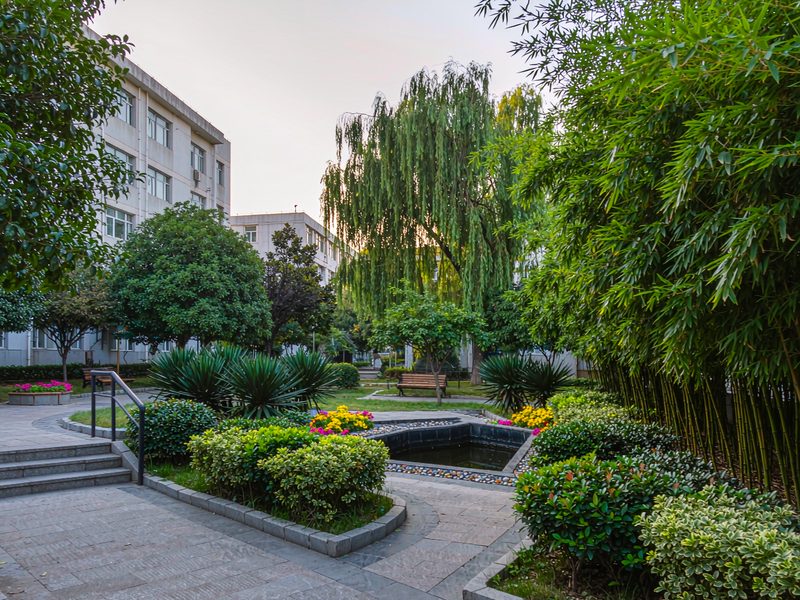
All images below are AI-generated illustrations of typical hospital facilities in China. They are not photographs of this hospital.
International Patient Contact
Details as published
- +86 021-68383210
- +86 021-53882113
- +86 021-68383408
- No email address published in our sources
Chinese-language reference: 国际医疗部东院 021-68383210 / 西院 021-53882113;英文预约 +86-21-68383408
Before you call or email
- Phone lines are usually answered in Chinese. Ask for the 国际医疗部 (international department) or the 特需门诊 (VIP/special clinic).
- Confirm whether the department can accept your specific condition before making travel plans.
- Ask whether an English-speaking clinician is available for your specialty on your preferred dates.
- Prepare a short summary in English: main complaint, how long, previous treatment, current medication.
- Have your reports and imaging ready as PDF or clear photographs to send.
- Ask about the expected fee, whether payment is self-funded, and any insurance arrangements.
- Ask how many days ahead an appointment must be booked, and the realistic waiting time.
Important
- This website is an independent information service. It does not book appointments, does not act as an agent and does not receive any commission from the hospitals listed.
- Contact details are reproduced from public sources and hospital websites. They can change without notice — always confirm on the hospital's own official website before travelling.
- Never send passport scans, medical records or payment to an intermediary you have not independently verified.
Key Medical Specialties
- Organ transplantation in China gives allocation priority to Chinese citizens; pathways for foreign patients are limited and governed by national regulation. Confirm eligibility with the hospital before making any arrangement.
Listing a specialty here describes the hospital's clinical strengths. It is not a statement of treatment outcome, and no cure or success rate is implied.
Reported specialties (source language): 风湿免疫、消化内科、器官移植、麻醉
Doctors & Departments
Individual doctor profiles for the hospitals we cover are listed in our doctors directory. For this hospital, department lists and consultant schedules change frequently — please confirm the current department and clinician directly with the hospital.
- Doctors are listed in a neutral order. Listing implies no ranking, endorsement or recommendation.
- Availability of a named clinician on your travel dates cannot be guaranteed and must be confirmed with the hospital.
- We do not publish success rates, survival figures or outcome claims for any hospital or doctor.
Facilities & Technology
As a Grade 3A hospital — China's highest hospital tier — Renji Hospital, Shanghai Jiao Tong University operates within national tertiary-hospital standards for clinical management and infection control. Typical capabilities at this tier include:
- Modern operating theatres, intensive care and post-anaesthesia recovery facilities
- Advanced imaging, generally including CT and MRI; PET-CT and radiotherapy are available at some hospitals
- Central laboratory and pathology services, including histopathology
- Inpatient wards with single and multi-bed rooms
- Hospital pharmacy with prescription dispensing on site
Specific equipment, room types and technology vary by campus and department. Ask the hospital directly about the facilities relevant to your treatment.
How to Visit & Hospital Rules (Renji Hospital, Shanghai Jiao Tong University)
For international patients it is strongly recommended to arrange a remote consultation and a confirmed appointment before travelling to China. This saves time and ensures you have a slot before you arrive.
Remote Consultation & Pre-Visit Appointment
Step 1: Prepare documents before you make contact
- Passport (scan or clear photo of the photo page)
- Medical history, test reports and imaging (PDF or photographs)
- A short English summary: main complaint, duration, previous treatment, current medication
- An email address the hospital can reply to
Step 2: Use the hospital's own official channel
- Some hospitals offer English registration on their official app or website
- Register with your passport and select your specialty and preferred doctor
- Phone: +86 021-68383210 (also +86 021-53882113, +86 021-68383408)
- Provide your passport number, the department you need, your symptoms and your preferred dates
- Lines are generally answered in Chinese — ask for the international department
- Email: not published; use the hospital website's contact form if one is available
- Attach your passport page and medical records, then allow a few working days for a reply
Step 3: Confirm and keep the confirmation
- You should receive an appointment reference, clinician name, date, time and location
- Save or print it — you will need it at check-in
Important hospital rules
- Many large hospitals do not accept walk-in registration for international patients — remote booking is often required
- Arrive at the international or VIP department 30 minutes before your appointment for check-in
- Tips or cash gifts to medical staff are not customary in China and should not be offered
- Keep quiet in consultation areas and observe visiting hours in the wards
- Bring your original passport and your appointment confirmation for check-in
Step-by-Step Visit Process (after arrival in Shanghai)
Registering and seeing a doctor as a first-time foreign visitor
This is general guidance only. This website does not provide appointment booking or agency services. Always follow the official procedures of the hospital you attend.
Prepare documents in advance
- Valid original passport
- Appointment confirmation
- Medical records, previous reports and imaging
- A bank card or mobile payment for any additional fees
Check in at the international or VIP service desk
- Show your passport and appointment confirmation
- You will be given a hospital card and a queue number
Wait and consult
- Wait in the designated lounge until your number is called
- Describe your symptoms clearly; the doctor will arrange examinations or treatment
Examinations, diagnosis and pharmacy
- Pay fees, take tests, collect reports, then return to the doctor
- Collect medication from the hospital pharmacy and follow the instructions given
Follow-up
- Confirm your next appointment before you leave
- Keep all receipts, reports and prescriptions together
Practical tips for foreign patients
- Arrive early in the morning where possible — popular clinics fill their quota quickly
- If you do not speak Chinese, bring a companion or use a translation app; medical interpreters can usually be arranged for a fee
- Do not trust private intermediaries who approach you outside the hospital
- Keep a photograph of your passport, visa and insurance documents on your phone
Neighbourhood Guide (Shanghai)
Where to stay
- Accommodation near large hospitals fills up quickly. Hotels and serviced apartments within walking distance of the hospital suit short visits, while serviced apartments with a kitchen are usually better for longer rehabilitation stays.
- Check whether the room has a kitchenette — useful for a long rehabilitation stay.
- Confirm the cancellation terms before you book, as treatment dates can shift.
Food and daily needs
- Shanghainese cooking is lightly sweet; Western, Japanese, vegetarian and halal options are widely available.
- Supermarkets, convenience stores, pharmacies and banks are usually within walking distance of large hospitals.
- Ask the hospital dietitian before starting any special diet during treatment.
Gentle, recovery-friendly outings
- Fuxing Park
- Xujiahui Park
- the Bund riverside promenade
- Choose flat, seated routes and avoid long days out in the first weeks after treatment.
Transportation Guide
Arriving by air
- Shanghai Pudong International Airport (PVG) — East of the city; linked by the Maglev and Metro Line 2, roughly 45–70 minutes.
- Shanghai Hongqiao International Airport (SHA) — Closer to the centre; served by Metro Lines 2 and 10.
Arriving by rail
- Shanghai Railway Station
- Shanghai Hongqiao Railway Station (high-speed)
- Shanghai South Railway Station
Getting to the hospital
- Metro: Shanghai's metro is extensive, cheap and signed in English. Use a map app to find the station nearest to the hospital, then walk or take a short taxi ride.
- Taxi or ride-hailing: the simplest option with luggage. Have the hospital's Chinese name and street address ready to show the driver — most drivers read Chinese only.
- The hospital in Chinese: 上海交通大学医学院附属仁济医院
- Address in Chinese: 上海市浦东新区浦建路160号,东院
- Allow extra time: traffic in Shanghai is heavy at peak hours, and hospital entrances can be congested in the morning.
Reputation & Patient Feedback
Renji Hospital, Shanghai Jiao Tong University is a Grade 3A hospital in Shanghai. Grade 3A is the highest tier in China's hospital classification system, awarded to hospitals that provide comprehensive tertiary services, teaching and research.
We publish no ranking, no patient testimonials we cannot verify, and no statements about treatment outcomes. Hospital choice depends on your specific diagnosis, language needs, budget and travel plans — please decide together with your treating physician.
If you are comparing hospitals, ask each one the same questions: whether they can accept your case, who would treat you, how long you would need to stay, and what the total cost is likely to be.
Information Sources & Legal Disclaimer
- Official hospital website and its English-language pages where available.
- Public national and provincial medical institution registries.
- Publicly published international-department contact information and government service directories.
- Information is provided for general reference only and may change without notice.
- This website does not provide medical diagnosis, medical advice, appointment booking or referral services.
- Images on this page are AI-generated illustrations, not photographs of the hospital.
- Accreditation claims are not published here unless independently confirmed; where a hospital holds an accreditation, confirm its current validity with the awarding body.
- Please consult a qualified physician and the hospital's own official channels for any personal medical arrangement.